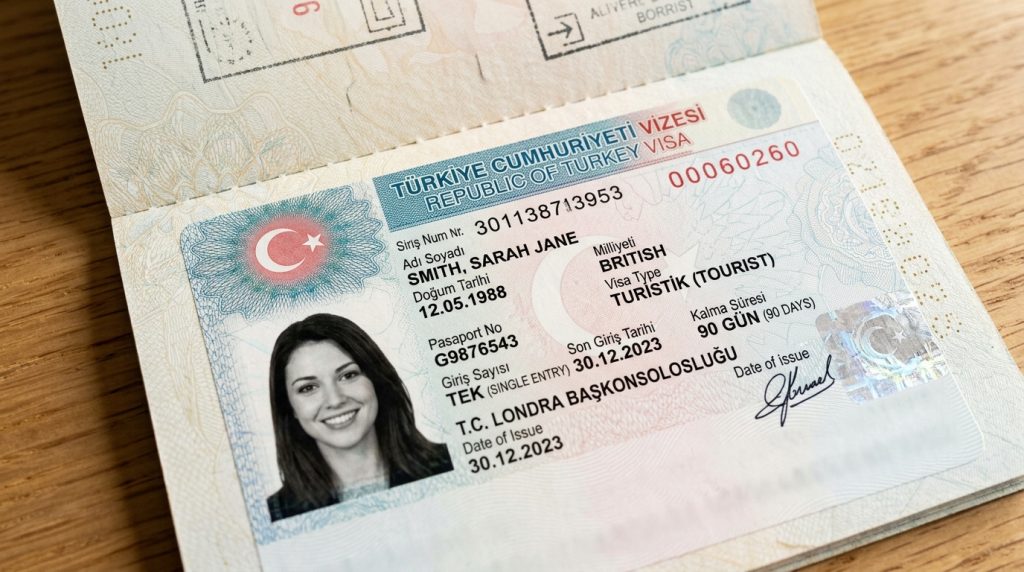
Turkey stands as one of the world’s most alluring travel destinations, drawing millions of global visitors every single year. By seamlessly blending the ancient histories of the Byzantine and Ottoman Empires with breathtaking landscapes and a world-class culinary scene, it offers an unforgettable experience for every type of traveler. Whether you plan to wander through the historic streets of Istanbul, witness the surreal sunrise hot air balloons in Cappadocia, or relax on the sun-drenched beaches of the Aegean coast, proper preparation is the foundation of a successful trip.
However, international travel requires thorough administrative planning. Before booking flights or securing hotel accommodations, understanding the legal entry pathways to Turkey is essential. Navigating the immigration framework correctly guarantees a smooth arrival, allowing you to focus entirely on the adventures ahead.
Navigating the Immigration Landscape: Finding Your Pathway
The Turkish government has modernized its border infrastructure significantly over the past decade. The introduction of digital processing systems has largely replaced the traditional, stressful embassy visits for many nationalities. However, entry requirements are not uniform; they vary based on your citizenship, the purpose of your journey, and the intended duration of your stay.
Failing to select the correct entry category can lead to immediate boarding denials at the airport or complications at border control. To ensure you understand the full scope of available entry permits, processing fees, and conditional rules, it is highly recommended to explore a comprehensive breakdown of the various TURKEY VISA TYPES before launching your formal application.
For the vast majority of global tourists and short-term business travelers, the options generally fall into three distinct frameworks:
- Visa-Free Entry: Citizens of nations that share robust bilateral diplomatic ties with Turkey can enter completely visa-free for tourist stays ranging from 30 to 90 days.
- The Electronic Visa (e-Visa): A fully digital travel authorization available to eligible nationalities. It is processed entirely online within minutes, eliminating physical paperwork.
- The Traditional Sticker Visa: Mandatory for citizens who do not qualify for visa-free entry or the online portal, as well as anyone traveling for long-term work, study, or permanent residency.
Specific Entry Rules for Southeast Asian Travelers
For travelers originating from Southeast Asia, understanding the specific geographical agreements and conditional rules enforced by Turkish immigration is critical. Entry protocols are strictly updated based on passport strength and geopolitical alliances.
For instance, passport holders from Cambodia are fully eligible to utilize the streamlined online portal, allowing them to bypass physical consulate visits entirely. To execute this process perfectly, applicants should thoroughly review the step-by-step documentation and conditional criteria outlined for a TURKEY VISA FOR CAMBODIANS to avoid unexpected travel disruptions.
Because the digital application portal utilizes an automated screening system, the margin for error is razor-thin. A single data entry mistake can instantly render an approved document legally invalid at the border.
Essential Best Practices to Prevent Application Denial
To guarantee a flawless transition from the online application platform to the arrival terminal in Istanbul, keep these foundational requirements in mind:
1. The 150-Day Passport Rule
Your passport must possess a specific amount of remaining validity to pass Turkish immigration control. The official rule dictates that your passport must be valid for at least 60 days beyond the duration of stay permitted by your visa. As a safe international standard, ensure your travel document has at least 150 days (roughly five months) of validity left from your exact date of entry.
2. Flawless Data Matching
The details submitted on your online form must match the Machine-Readable Zone (MRZ) at the bottom of your passport photo page with absolute perfection. Common mistakes that result in border rejections include transposing digits in the passport number, omitting middle names, or mixing up the order of first and last names.
3. Gathering Supporting Physical Evidence
While the electronic system issues digital approvals, local border guards maintain the legal authority to request physical verification upon arrival. Always travel with a high-quality printed copy of your approved visa certificate tucked safely into your carry-on luggage. Additionally, be prepared to show proof of a return or onward flight ticket, a confirmed hotel reservation, and sufficient financial resources (a baseline of $50 USD per day of stay) to support yourself throughout the vacation.
Designing a Smart and Paced Turkish Itinerary
Once your administrative paperwork is fully secured, you can shift your focus to the rewarding aspect of travel: organizing your itinerary. Because traveling to Turkey often involves long-haul flights and adjusting to new time zones, pacing your route is essential to prevent travel fatigue.
A standard, well-rounded holiday typically starts in Istanbul, a metropolis that spans two continents. Dedicate your first few days to exploring monumental landmarks like the Hagia Sophia, the Blue Mosque, and the Topkapi Palace. Taking a relaxing sunset ferry or cruise along the Bosphorus Strait is an excellent way to soak in the skyline while adjusting to the local rhythm. From there, taking a short domestic flight to the volcanic valleys of Central Anatolia or the ancient ruins of Ephesus offers an incredible, diverse contrast to complete your historic journey.