Saudi Arabia is currently undergoing a historic transformation. As the Kingdom advances its Vision 2030 agenda, it is striking a unique balance between preserving its profound cultural heritage and opening its doors to the world. For travelers planning a visit in 2026, whether for a spiritual journey or a cultural exploration, staying informed about the evolving regulatory landscape is key to a smooth experience.
Understanding the New Hospitality Landscape
One of the most anticipated shifts in the Kingdom’s tourism strategy is the controlled modernization of its hospitality regulations. To cater to a global audience, Saudi Arabia is introducing a regulated environment for alcohol consumption in designated tourist zones. Starting in 2026, approximately 600 locations—including five-star hotels, high-end resorts, and specific tourism hubs like the Red Sea Global project—will be licensed to serve beer and wine.
It is important for visitors to understand the distinction between these controlled spaces and the rest of the country. This policy is not a move toward nationwide open sales; rather, it is a highly regulated effort to provide familiar hospitality standards to international guests in select areas. Outside of these licensed luxury facilities, traditional Sharia-compliant restrictions remain firmly in place. Public consumption, the import of alcohol, and sales in retail stores or residential areas remain strictly prohibited. For those interested in the specifics of these regulations, our SAUDI ALCOHOL RULES resource offers a comprehensive breakdown of where these policies apply and how to ensure your visit remains respectful of local customs.
Essential Requirements for Umrah Pilgrims
For Muslim travelers, the journey to Makkah and Madinah remains a priority. In 2026, the administrative process for performing the pilgrimage has become more digitized and efficient, but it requires careful attention to the sequence of booking. The most significant change for pilgrims is the mandatory integration with the Nusuk platform.
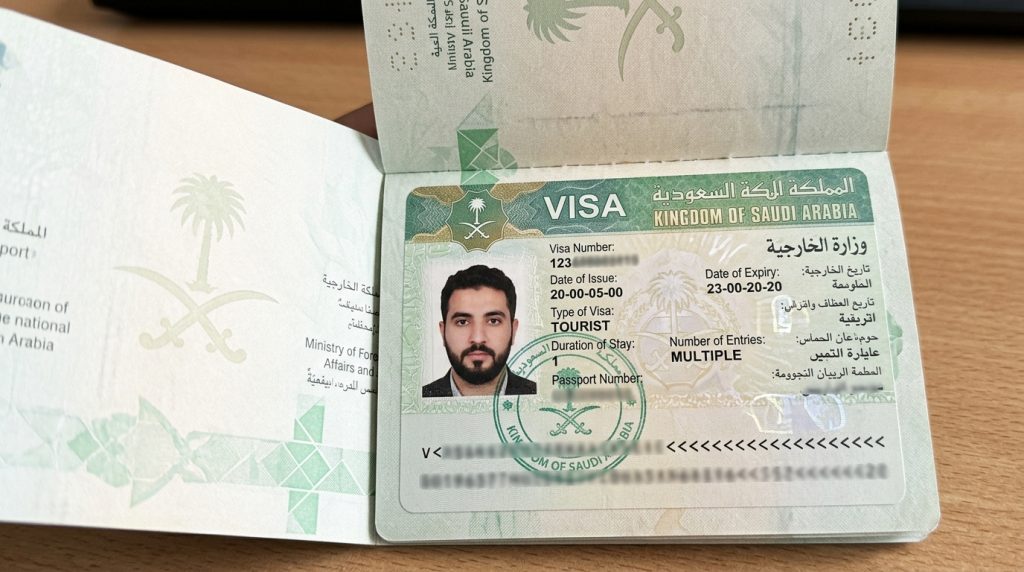
If you are planning your travel from the United States, obtaining your UMRAH VISA FROM USA involves a specific “booking-first” workflow. Pilgrims must now secure their accommodation and intercity transport through Nusuk or licensed providers before they apply for their visa. This ensures that the Saudi Ministry of Hajj and Umrah can manage the flow of visitors and provide a high standard of service for every individual.
Key Steps for a Successful Pilgrimage:
- Sequential Planning: Book your licensed hotel and transport through the Nusuk Masar platform first. Your visa application should only be submitted once you have these confirmations in hand.
- Health and Safety: Ensure your meningococcal (ACWY) vaccination certificate is dated at least ten days before your departure. This is a non-negotiable requirement for entry.
- Passport Readiness: Your passport must be valid for at least six months beyond your arrival date and contain at least two blank pages for official stamps.
- Digital Permits: Once you have arrived, ensure you have registered on the Nusuk app to secure permits for performing Umrah and visiting the Rawdah in Madinah. Officials perform spot checks, and having these digital permits ready on your smartphone is essential.
As you prepare for your journey, remember that these regulations are designed to enhance the safety and comfort of all visitors. By aligning your travel plans with these official channels, you ensure that your time in the Kingdom is focused on the purpose of your visit, whether that is the deep reflection of a spiritual pilgrimage or the discovery of a nation on the move. Careful preparation and adherence to these new standards will undoubtedly pave the way for a memorable and meaningful experience in Saudi Arabia.