East Africa is renowned worldwide for its extraordinary biodiversity, breathtaking landscapes, and rich cultural heritage. From watching the drama of the Great Migration unfold in the Maasai Mara to gazing up at the snow-capped peak of Mount Kilimanjaro, a journey through this region offers memories that last a lifetime.
For travelers planning an extended journey through neighboring countries like Kenya, Rwanda, and Uganda, proper preparation is essential. Understanding multi-country entry options and keeping up with regional health guidelines will ensure your adventure remains safe, seamless, and stress-free.
Exploring Multiple Countries with a Single Permit
Many international travelers choose to combine several East African destinations into a single extended itinerary. Crossing borders between partner states allows you to experience distinct wildlife reserves, gorilla trekking safaris, and coastal retreats in one trip.
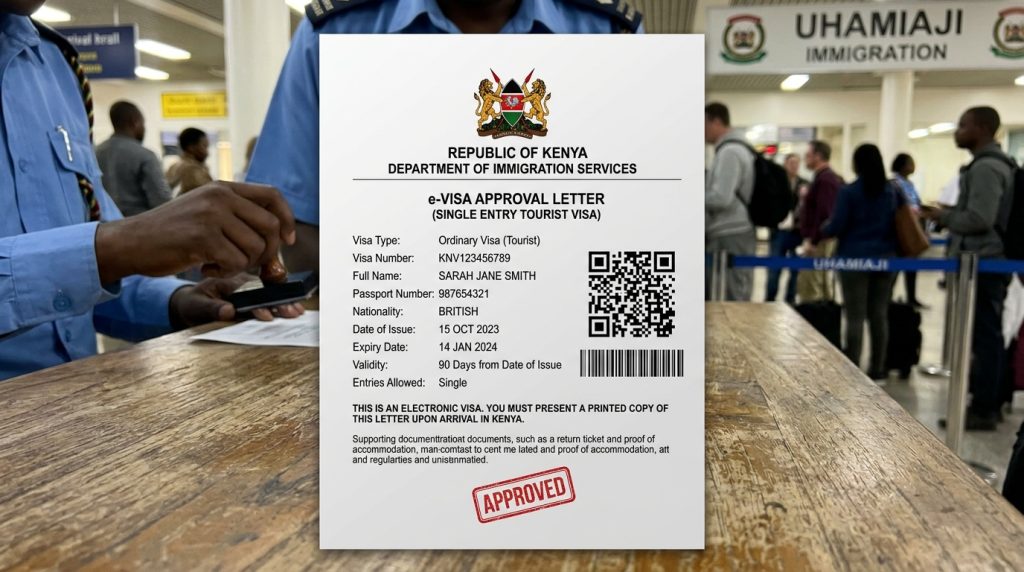
Rather than applying for separate single-entry passes for each country you visit, regional travel agreements have streamlined cross-border tourism. Reviewing an OVERVIEW OF EAST AFRICAN TOURIST VISA EATV options helps multi-destination travelers understand how a joint entry pass works.
This unified permit allows eligible visitors to travel freely between participating East African nations over a 90-day period, significantly saving time, paperwork, and application fees.
Health and Vaccination Essentials for Travelers
Staying healthy on safari requires a bit of proactive planning before you leave home. Because East Africa covers diverse ecological zones—ranging from coastal lowlands to high-altitude savannahs—health precautions vary depending on your specific travel routes.
Consulting official VACCINE AND HEALTH ADVICE FOR TRAVEL TO KENYA at least four to six weeks before your flight ensures you receive necessary immunizations and preventive measures tailored to your itinerary.
Key health considerations include:
- Yellow Fever Requirements: Proof of Yellow Fever vaccination is mandatory if arriving from or transiting through endemic areas, and officers check certificates upon arrival.
- Routine Immunizations: Recommended updates include Hepatitis A, Hepatitis B, Typhoid, and Tetanus boosters.
- Malaria Prevention: Many safari destinations sit in malaria-risk regions. Consult a travel clinic regarding prescription antimalarial medications and pack effective insect repellent.
- Travel Insurance: Always secure comprehensive medical travel insurance that covers emergency evacuation, especially if visiting remote game reserves or hiking in national parks.
Important Administrative Requirements
In addition to health clearances, foreign visitors must fulfill basic entry conditions before boarding their flight:
- Passport Validity: Your original passport must be valid for at least 6 months beyond your intended departure date, with at least two blank pages remaining for entry stamps.
- Pre-Arrival Registration: Entry approvals must be completed online prior to departure, as physical entry permissions are no longer issued at border gates or airports.
- Proof of Accommodation & Onward Travel: Keep printed digital confirmations of your hotel bookings, safari tour vouchers, and return flight tickets in your hand luggage.
Practical Safari Tips for a Smooth Trip
- Pack Smart: Neutral-colored clothing (khaki, tan, olive) is best for game drives to avoid attracting insects. Bring layers, as early morning safari drives can be surprisingly chilly.
- Stay Hydrated: Drink bottled or purified water throughout your stay, and avoid ice cubes in unverified settings.
- Digital Backups: Store digital copies of your passport, entry approvals, vaccination yellow card, and travel insurance details on your smartphone or cloud storage.
By taking care of your travel paperwork and health preparations well in advance, you can focus on enjoying the spectacular sights, warm hospitality, and unforgettable wildlife experiences that East Africa has to offer!