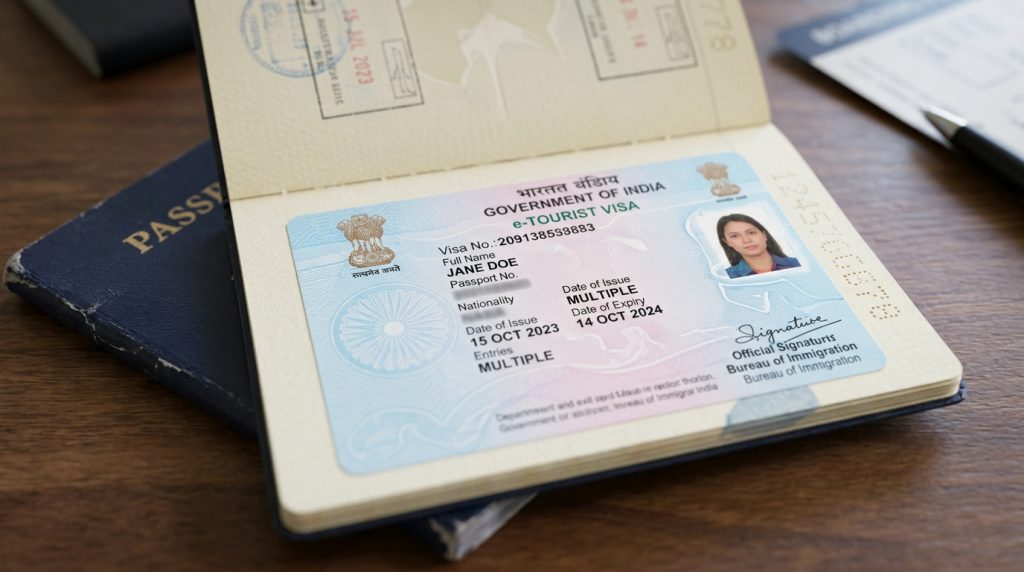
India is a land of timeless wonders, blending ancient heritage with breathtaking modern landscapes. From the historic monuments of Delhi to the serene coastal retreats of Goa, the country continues to draw millions of global travelers every year. To make this vast destination more accessible, the Government of India created the electronic visa (e-Visa) program. This entirely digital system allows foreign nationals to apply for, pay, and receive their entry authorization without ever stepping foot inside an embassy or consulate.
Understanding the digital system is key to planning a stress-free journey. Here is a comprehensive look at how the process works, what you need to prepare, and how to successfully secure your travel authorization.
Decoding the Indian e-Visa Tiers
The electronic entry system is divided into several specific categories tailored to the primary purpose of your trip. Selecting the appropriate category during your online session ensures hassle-free entry at the border.
- e-Tourist Visa: Ideal for sightseeing, casual visits to friends or relatives, and short-term yoga programs.
- e-Business Visa: Designed for corporate meetings, setting up business ventures, or attending trade exhibitions.
- e-Medical & e-MedicalAttendant Visa: Specifically structured for individuals seeking specialized medical treatment at recognized Indian hospitals.
- e-Conference Visa: Geared toward international delegates invited to attend seminars or workshops.
Before beginning the paperwork, checking your country’s specific status is a critical first step. Evaluating the Indian Visa Eligibility rules ensures your nationality is cleared for electronic entry, as a small handful of nations are still required to obtain traditional paper visas.
Mandatory Documents and Passport Rules
To complete the online registration smoothly, you should compile all necessary digital assets beforehand. Skipping or misformatting files is the most common reason for processing delays.
First, your passport must have at least six months of remaining validity from the exact date you intend to arrive in India. Additionally, immigration officers require at least two blank pages for entry and exit stamps. You will need to upload a high-resolution, clear crop of your passport’s biographical page in a PDF format.
Second, a recent digital photograph must be provided. This image requires a plain white background, front-facing perspective, and no shadows or eyewear. European travelers, for example, must follow these exact image specifications. If you are preparing an application for an Indian Visa for BULGARIAN Citizens, verifying that your digital photo matches the strict dimension limits prevents automated system rejections.
Seamless Step-by-Step Application Blueprint
The application process is entirely web-based and can be completed in three straightforward phases.
- Form Completion: Access the official portal and fill out your personal history, passport numbers, and expected arrival dates. Double-check all spellings against your physical passport to prevent mismatch errors.
- Document Upload: Attach your passport PDF and the square JPEG photograph. For business or medical visas, this is also the stage where you attach formal invitation letters or hospital credentials.
- Fee Payment: Submit the mandatory processing fee using a credit card, debit card, or verified payment wallet.
Once submitted, the processing window typically takes between 3 to 5 business days. When approved, an Electronic Travel Authorization (ETA) will be delivered straight to your email inbox. You must print a physical copy of this ETA document and keep it inside your carry-on luggage, as border control agents will ask to verify it alongside your passport when you land at designated Indian airports.