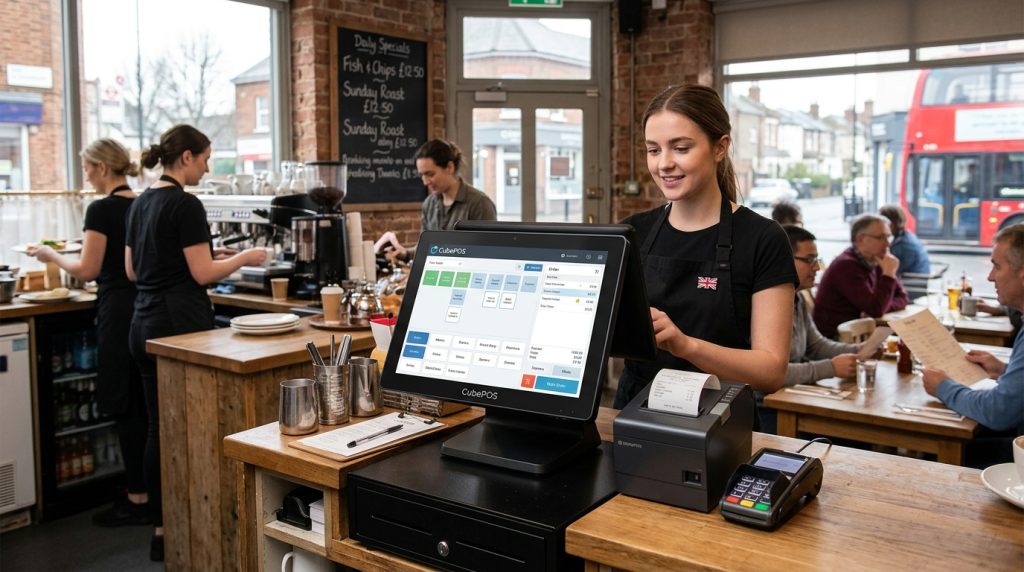
The hospitality industry in the Midlands is experiencing a significant renaissance. From the innovative “Balti Triangle” to the burgeoning independent coffee culture in the Jewellery Quarter, Birmingham’s food and drink scene is more competitive than ever. For business owners, staying ahead of the curve in 2026 requires more than just a great menu; it requires an operational backbone that can handle the speed of modern commerce.
Streamlining Full-Service Dining
For larger dining establishments, the complexity of managing a busy floor while maintaining kitchen efficiency is a constant challenge. In a high-pressure environment, manual errors in order taking or slow communication between staff members can lead to significant revenue loss and diminished guest satisfaction. Implementing a robust Restaurant POS system in Birmingham provides the necessary tools to synchronize these disparate elements of the business.
Modern systems allow for seamless table management, where servers can see real-time table statuses, handle split bills with a single tap, and send orders directly to kitchen display screens. This synchronization ensures that the kitchen can prioritize orders correctly, reducing wait times even during the hectic Saturday night rush. Furthermore, the integration of back-office analytics allows managers to track peak performance hours, helping them align staff rotas with actual demand to save on labor costs.
Empowering the Independent Cafe
The requirements for a local coffee shop or boutique bakery are distinct from those of a full-service restaurant. In the cafe world, transaction speed is the ultimate metric of success. During the morning commute, a bottleneck at the counter can send potential customers straight to a competitor. Utilizing a specialized Cafe POS system Birmingham allows baristas to process payments and handle complex customizations—such as milk alternatives and syrup shots—in seconds.
Beyond the speed of the transaction, these systems help small business owners manage their inventory with surgical precision. By tracking the usage of coffee beans, milk, and pastries in real-time, owners can automate their ordering processes and significantly reduce food waste. In an era of fluctuating supply costs, this level of granular control is essential for protecting thin profit margins and ensuring that popular items never go out of stock.
The Benefits of a Digital First Approach
Adopting professional point-of-sale technology offers several key advantages for hospitality leaders:
- Payment Flexibility: Accept everything from contactless cards to mobile wallets and wearable technology payments effortlessly.
- Customer Loyalty: Move away from physical punch cards by integrating digital loyalty schemes that track rewards via a customer’s phone.
- Cloud Accessibility: Monitor sales data and inventory levels remotely, providing owners with the freedom to manage their business from anywhere.
- Enhanced Accuracy: Eliminate the “he-said, she-said” of handwritten tickets, ensuring the kitchen prepares exactly what the guest ordered.
Preparing for Continued Growth
As Birmingham continues to evolve as a culinary powerhouse, the gap between traditional establishments and tech-forward businesses will continue to widen. Investing in a professional digital infrastructure is no longer a luxury; it is a foundational requirement for growth. By leveraging these tools, hospitality professionals can remove the friction from their daily operations and refocus their energy on what they do best: delivering an exceptional experience to every guest who walks through their doors.