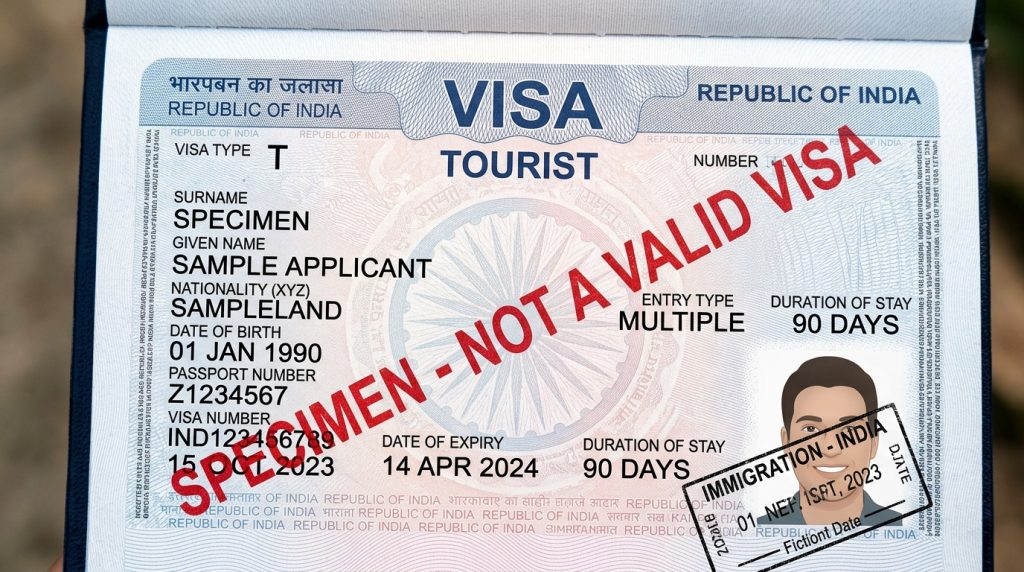
India is a destination that captures the imagination like no other, blending ancient maritime traditions with a rapidly advancing digital future. From the architectural grandeur of the Taj Mahal to the bustling port cities along the Arabian Sea and the Bay of Bengal, the subcontinent offers an unparalleled experience. To support its growing status as a global hub for tourism, commerce, and maritime logistics, the Indian government has revolutionized its entry processes, replacing traditional paperwork with an efficient electronic visa (e-Visa) system.
Specialized Entry for Maritime Professionals
India’s strategic location along major global shipping routes makes it a vital hub for international maritime trade. Recognizing the unique needs of the shipping industry, the government has streamlined the process for those arriving by sea or joining a ship at one of its major ports. This digital-first approach ensures that the global supply chain remains fluid while maintaining strict border security.
For maritime professionals, obtaining the correct authorization is critical to avoiding delays in crew changes or vessel departures. Securing an INDIAN VISA FOR SEAMAN AND SEA VESSEL CREW is now a straightforward online task. This specialized permit allows crew members to enter India via designated airports to join their vessels or to disembark at authorized seaports. By moving this process to a digital portal, the Ministry of Home Affairs has significantly reduced the administrative burden on shipping agents and international sailors alike, allowing for more predictable scheduling in a fast-paced industry.
Health and Safety: Preparing for the Subcontinent
While the digital application process has made entry easier, physical preparation remains a cornerstone of a successful trip. India is a vast and ecologically diverse nation, and travelers may encounter environments that differ significantly from their home countries. Ensuring your health is protected allows you to focus entirely on the cultural and professional objectives of your visit.
Before departure, it is highly advisable to consult with a travel clinic to ensure your immunizations are up to date. Reviewing a list of RECOMMENDED VACCINES FOR INDIA TRAVEL FOR TOURISTS is a vital step in your pre-travel planning. Standard recommendations often include coverage for Hepatitis A, Typhoid, and Polio, depending on the regions you plan to visit and the duration of your stay. Additionally, depending on your country of origin, proof of Yellow Fever vaccination may be a mandatory requirement for entry. Taking these proactive steps ensures that your journey remains safe and uninterrupted.
Professional Tips for a Seamless Journey
To make the most of your journey through the vibrant landscapes of India, keep these logistical strategies in mind:
- Document Readiness: Always carry a printed copy of your Electronic Travel Authorization (ETA) alongside your physical passport, which must have at least six months of validity.
- Designated Ports: Ensure your flight or vessel is arriving at one of the nearly 30 airports or 5 seaports authorized to process e-Visas.
- Digital Connectivity: Purchase a local eSIM upon arrival to easily use navigation and translation apps, which are indispensable in bustling metros like Mumbai or Chennai.
- Optimal Timing: The ideal time to visit most of India is during the cooler months from October to March, providing perfect weather for outdoor exploration and coastal activities.
By leveraging the efficiency of the modern e-Visa system and prioritizing your health and documentation, you can focus on experiencing the legendary hospitality and breathtaking diversity of the Indian subcontinent.